Parks & Recreation Department
22500 Salamo Road
Phone 503-557-4700
Adult Community Center
1180 Rosemont Rd.
Phone 503-557-4704


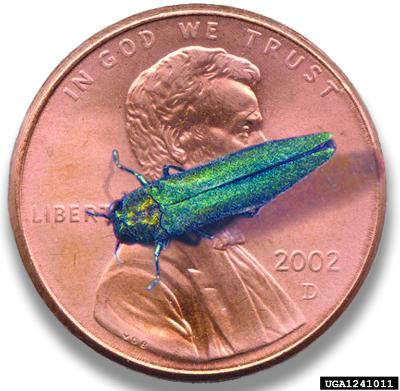
The City of West Linn is taking proactive measures to address the newly arrived threat of Emerald Ash Borer. This invasive pest poses a significant risk to all ash trees (Fraxinus spp.), including our native Oregon ash (Fraxinus latifolia). Olive trees (Olea spp.) and white fringe trees (Chionanthus spp.) are also known to host Emerald Ash Borer and may also be affected.
The Emerald Ash Borer (EAB) is new to Oregon, but not the United States. It was first identified in Detroit, Michigan in 2002, though it likely arrived earlier. Since then, it has spread across the United States and is estimated to have killed hundreds of millions of ash trees. The first confirmed infestation of EAB on the West Coast was in Forest Grove in 2022. As of 2025, EAB has been confirmed in five Oregon counties, Washington, Yamhill, Clackamas, Marion and Multnomah. 2026 new detections in King City, Tualatin, Newberg, Silverton and Salem. EAB spreads aggressively and is expected to kill even healthy trees.
According to experts with the Oregon Departments of Agriculture (ODA) and Forestry (ODF), eradicating EAB is not feasible. The state has issued extensive guidance on pest identification, management options, and a permanent quarantine. In accordance with state guidance, the City of West Linn has stopped planting ash, olive, and white fringe trees, and has removed these trees from approved tree planting lists for residents. The city is only conducting non-emergency maintenance on existing ash, olive, and white fringe trees from October 1 – March 31.
Slowing the spread of EAB will help give everyone more time to respond, spreading the losses out over time and allowing new trees to grow and replace lost tree canopy. Managing for EAB depends on the health and significance of the tree, its location, and the economic tradeoffs of more proactive versus passive management. For example, a healthy, high-value tree can be treated with an approved insecticide according to label directions, but it requires ongoing treatment for the life of the tree. The State of Oregon offers guidance for urban property owners on this and other management options at https://oregon-eab-geo.hub.arcgis.com/pages/urban-residents.
Here are some basic steps you can take to help slow the spread of EAB in West Linn and elsewhere:
Do not move firewood
Dead wood can still contain living pests! The State of Oregon recommends not moving firewood or woody debris more than 10 miles from its origin.
Do not plant ash, olive, or white fringe trees
Many trees grow well in Oregon. Help to diversify West Linn’s urban forest and make it more resilient to EAB by choosing non-affected trees.
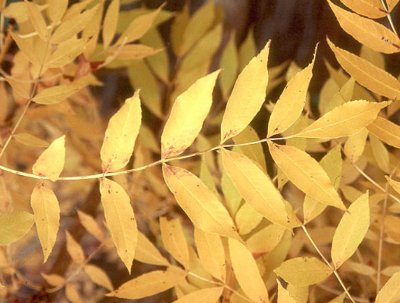
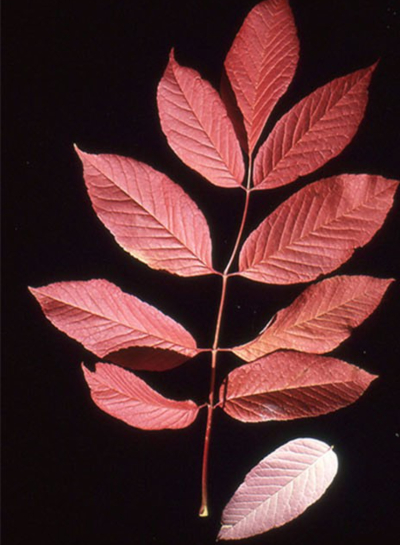
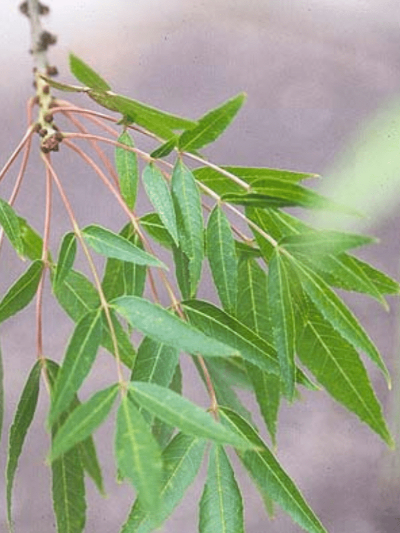
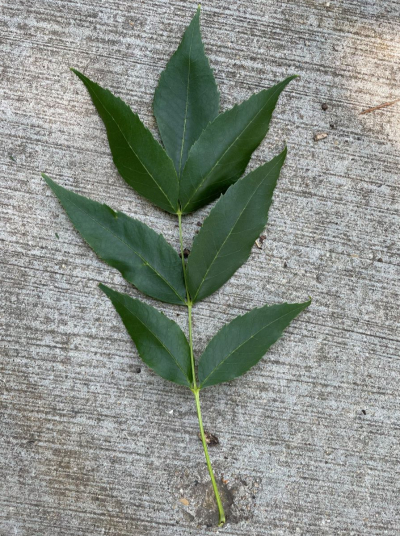
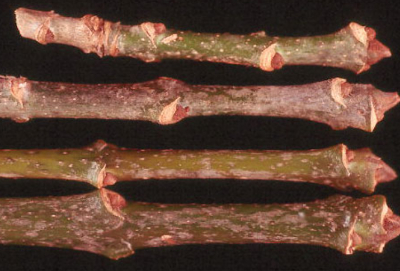
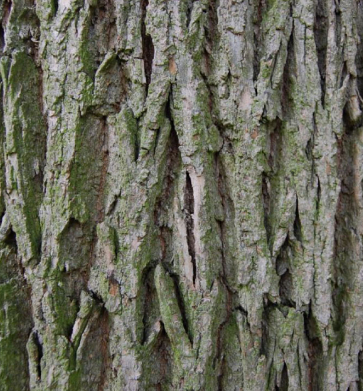
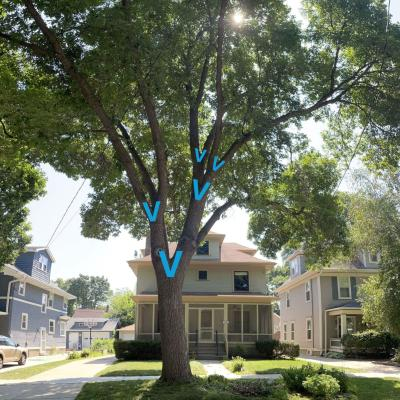
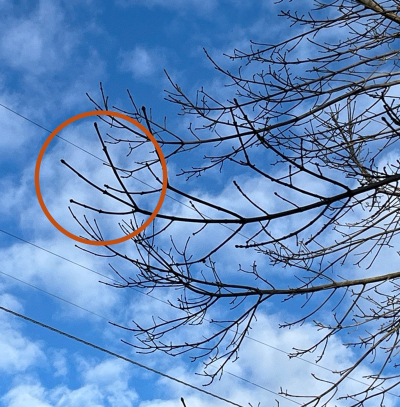
Learn how to identify EAB
Determine whether there are any ash, olive, or white fringe trees on your property.
Visit the State of Oregon’s EAB landing page to learn more about how to identify an EAB infestation and review your options for managing for EAB at your property: oregon-eab-geo.hub.arcgis.com.
Report suspected infestations to the Oregon Invasive Species Hotline
Report suspected infestations of EAB https://oregoninvasiveshotline.org/ or 1-866-INVADER (468-2337).
Learn your local tree ordinance
Did you know West Linn has a Community Tree Ordinance? Before removing a tree at your property, check whether a permit and tree replacement plan are needed at www.westlinnoregon.gov/parksrec/tree-ordinance.
If you do need to remove an ash, olive, or white fringe tree, make sure you dispose of the wood properly. See the Oregon Department of Agriculture’s quarantine fact sheet for more information: www.oregon.gov/oda/Documents/Publications/IPPM/Permanent%20EAB%20Quarantine%20Flyer.pdf
Photos: